Site Search
Results across the whole site - resources, archive, BEP Press, events, businesses, discoveries, Q&A, newspapers, collections by state, the 3,096 Names records, the enslaved labor payrolls, Freedmen's Bureau books and cases, slave narratives, the Nautilus insurance ledgers, the enslaver index, and every transcription.
3849 results for "Dent"
Carroll College Student
Carroll College Student - a historical newspaper collection for Wisconsin, linked directly to the source. Hosted at archives.carrollu.edu.
Student
Student - a historical newspaper collection for Utah, linked directly to the source. Hosted at contentdm.li.suu.edu.
BYA Student
BYA Student - a historical newspaper collection for Utah, linked directly to the source. Hosted at contentdm.lib.byu.edu.
Digital Maryland — African American History Collections
Digital collections from the University of Maryland including African American funeral programs, manumission and indenture records, slave documents, bills of sale, and views of African American life in Maryland. A key resource for tracing the family histories of freedmen and formerly enslaved people in Maryland.
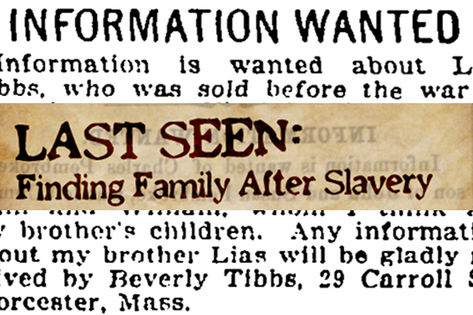
Information Wanted — Educator Resources
Educator resources from the Information Wanted project, which centers on 'Last Seen' and 'Lost Friends' ads placed by formerly enslaved people searching for family members separated by the domestic slave trade. Includes historical context essays, ready-to-go lesson plans, short classroom activities, audio and video excerpts of teachers sharing their experiences, examples of student work, and links to additional online resources for teaching this hard history.
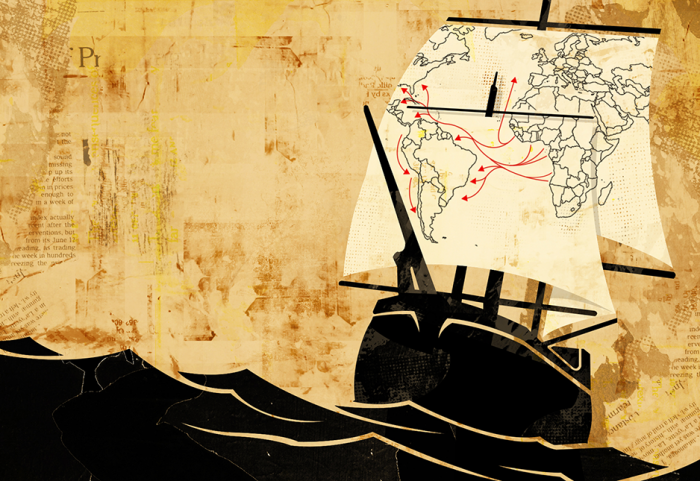
Teaching Hard History — K-5 Framework
A first-of-its-kind framework from Learning for Justice (SPLC) for teaching American slavery to elementary students in age-appropriate ways. Includes 20 Essential Knowledge items (10 for K-2, 10 for grades 3-5), over 100 primary source student texts designed for younger readers, Inquiry Design Models based on C3 standards, teaching tools, printable 'I Teach Hard History' cards, and connections to the accompanying podcast and webinar series.
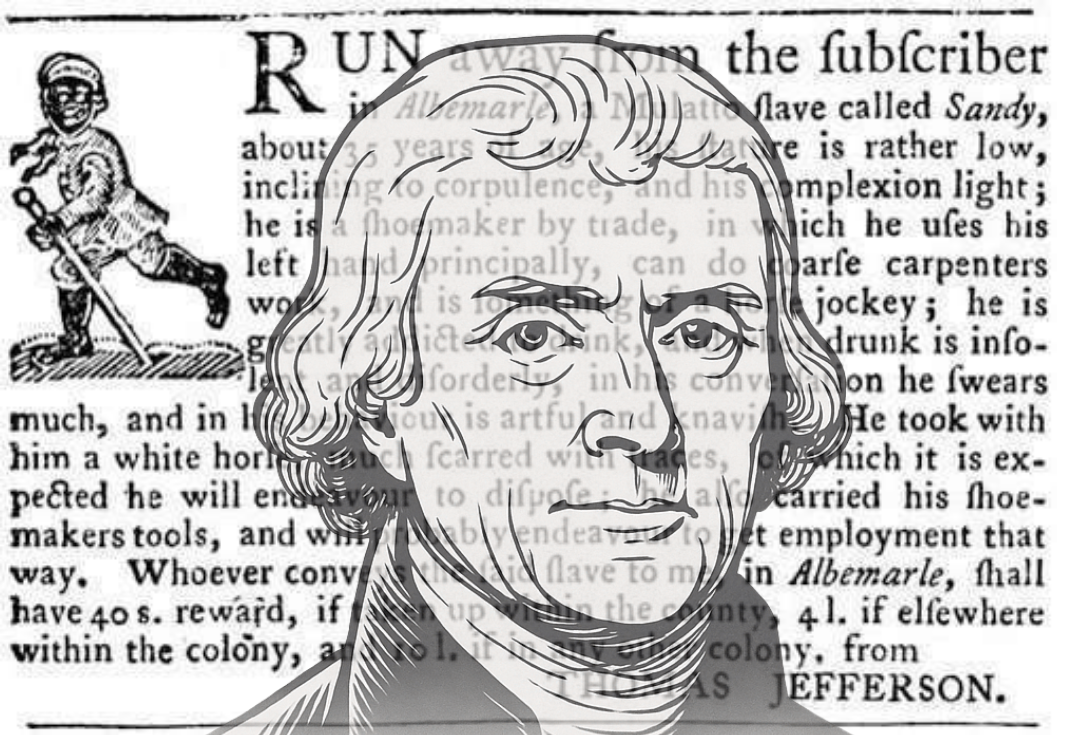
Freedom on the Move — Lesson Plans
A collection of ready-to-use lesson plans from Cornell University's Freedom on the Move project, built around runaway slave advertisements. Lessons cover analyzing primary sources, using runaway ads to write narratives, creating resistance newspapers, building timelines of pre-Civil War slavery, and examining Lord Dunmore's Proclamation. Each lesson includes instructional materials, student activities, and historical context for teaching about enslaved people's self-liberation.
Teaching Hard History — Classroom Videos
A collection of short, classroom-ready streaming films from Learning for Justice (SPLC) aligned with the Teaching Hard History framework. Features 'The Forgotten Slavery of Our Ancestors' (12-minute film on Indigenous enslavement) and 10 Key Concept videos in which leading scholars and historians—including Ibram X. Kendi, Annette Gordon-Reed, Daina Ramey Berry, and others—explore central ideas about American slavery, resistance, and its lasting legacy. Each video includes downloadable text-dependent questions.
Teaching Hard History — 6-12 Framework
A comprehensive framework from Learning for Justice (SPLC) for teaching American slavery to middle and high school students. Includes 22 Summary Objectives organized chronologically from the pre-colonial era through Reconstruction, over 100 primary and secondary source student texts with text-dependent questions, Inquiry Design Models, student quizzes, online archives and databases, classroom videos, and professional development webinars.
Studying Slavery at the University of Alabama — Browse Database
A searchable database documenting enslaved people whose lives and labor helped build the University of Alabama. Each entry includes all known archival information about an individual — names, dates, enslavers, and source documents. Includes people enslaved directly by the university, by faculty, college presidents, trustees, and those hired from local enslavers in the Tuscaloosa area.